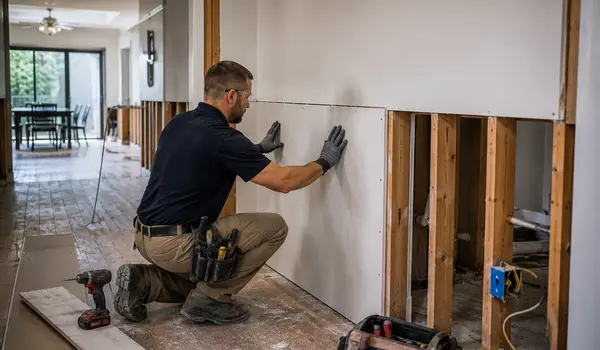
With wet carpet drying, the immediate decision is between lifting and drying the existing carpet, removing the carpet and pad, or leaving it alone while it air-dries. NT Water Damage Austin can inspect the backing, pad, baseboards, and moisture readings before that call is made. Air movers and dehumidifiers can preserve a recently wet, clean-water carpet, but they bring equipment noise, lifted edges, and rooms that remain off-limits for days.
Removing a saturated pad creates more disruption and material replacement, yet it can eliminate a reservoir beneath carpet fibers that surface fans cannot reach. Extraction, controlled lifting, moisture-meter checks at the tack strip, and antimicrobial treatment each address a different risk. Carpet exposed to sewage, gray water, or a long-standing musty odor may not be suitable for in-place drying; the trade-off is faster clearance now versus retaining materials that may keep odor or microbial growth.
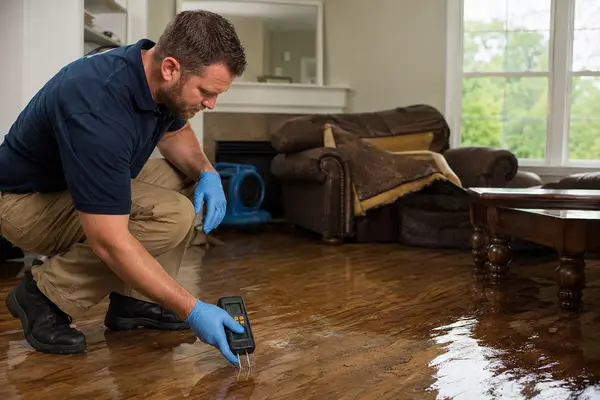
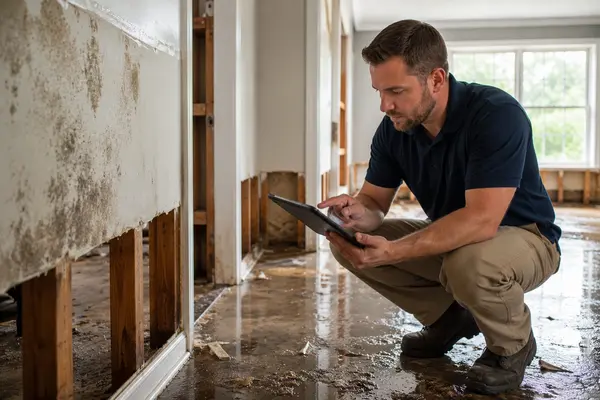
Source and duration set the starting point. A supply-line leak caught within a few hours may wet only the pad and lower drywall, while rain intrusion over a weekend can soak insulation, subfloor seams, and cabinets. A crawl space water removal problem can keep feeding humidity upward after the visible carpet is extracted. Moisture meters reveal these hidden paths, which is why drying time may expand from a single room to adjacent materials.
Prior attempts matter because household fans can dry the carpet face while leaving the pad and slab damp. Furniture left in place creates compressed, wet zones under legs; closed windows may keep indoor humidity high. During inspection, technicians may find delamination in carpet backing, swollen MDF baseboards, or water past a doorway. Those findings determine whether the carpet can be floated and dried, whether pad sections need removal, and how many drying cycles are needed.
Cost follows the wet area, the layers involved, and access to them. Drying one accessible room with clean water can require a fraction of the equipment and labor of a multiroom loss with soaked pad, baseboards, and contents—commonly two to four times the scope. Stairs, heavy furniture, glued-down carpet, and limited electrical circuits add handling or setup time. hardwood floor water repair can also change the sequence because wood moisture must be checked before carpet equipment is removed.
A written estimate is easier to compare when it separates water extraction, carpet lifting, pad removal, air movers, dehumidifiers, monitoring visits, antimicrobial application, and reconstruction work. It should identify the number of affected rooms or square feet, the expected equipment days, and which materials are being preserved versus replaced. Initial scope can grow after furniture moves or a moisture meter finds wet subfloor, so ask how added equipment, extra days, and newly discovered components are documented.
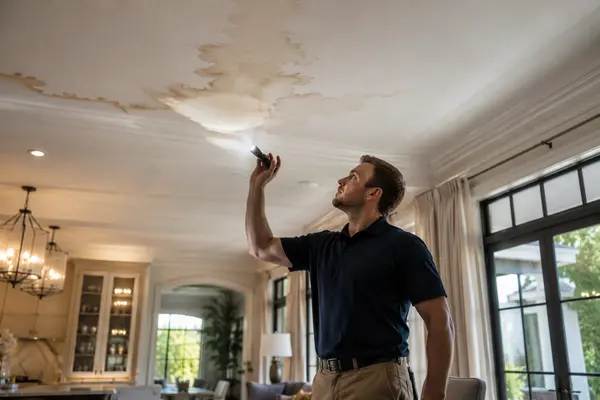
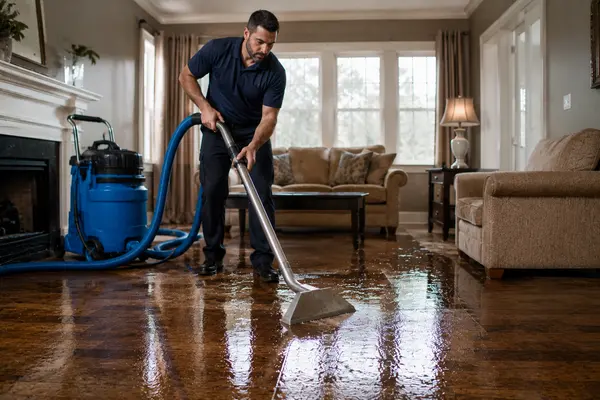
Most clean-water wet carpet jobs take roughly two to five days of active drying after extraction, though a small spill with limited pad wetting may clear sooner. A room may be unusable because air movers run continuously, dehumidifiers collect water, and carpet edges are lifted from tack strips. The noise and warm, dry airflow are temporary, but moving pets, electronics, and furniture away from the work area is usually part of the disruption.
Delays usually come from hidden moisture rather than slow equipment. Thick pad, concrete slabs, high outdoor humidity, a continuing pipe leak, or wet drywall behind baseboards can keep readings above the drying target. During the stretches that look uneventful, technicians are taking moisture-meter readings in carpet, pad, and wall materials, emptying or adjusting equipment, and comparing daily measurements. Equipment stays until the affected components are dry, not simply until the carpet feels dry underfoot.
NT WATER DAMAGE AUSTIN
9430 Research Blvd, Austin, TX 78759
(512) 900-6973
Hours of Operation
Open 24 Hours