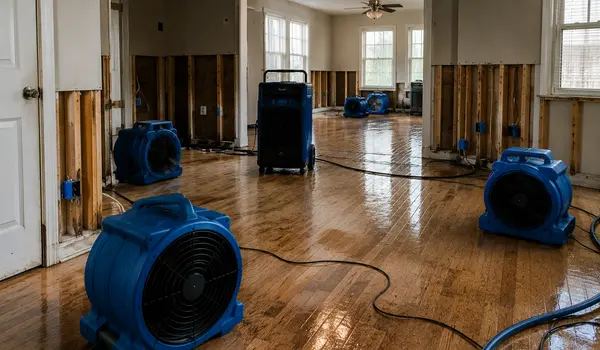
After a hard Austin storm, water may appear first as wet carpet near a window, staining on a ceiling, or paint bubbling along an exterior wall. A musty smell can mean moisture has reached drywall, insulation, or the subfloor even after the surface looks dry. NT Water Damage Austin can assess the affected materials and locate where water traveled before hidden moisture has time to create larger repairs.
A small drip contained in a bucket may wait until rain has stopped, provided the ceiling is not sagging and no electrical fixture is nearby. Standing water, warped flooring, visible mould, a soft ceiling, or water entering outlets cannot wait. Water can wick through carpet backing and drywall within hours, while a swollen baseboard or buckled laminate floor often signals that moisture is already trapped underneath.

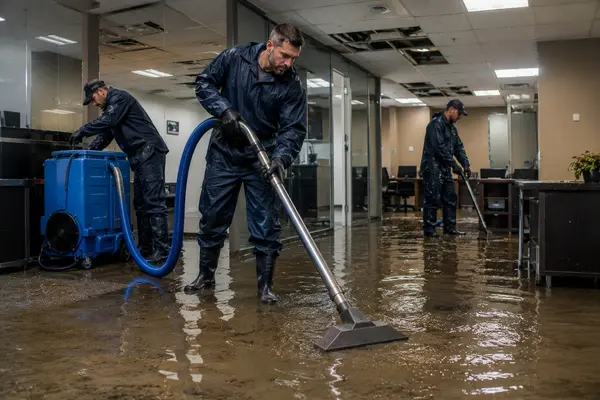
Storm cleanup costs vary widely because a damp corner of carpet is not the same job as water moving through several rooms, insulation, cabinets, and a ceiling cavity. Scale, access to the affected area, and materials such as hardwood, laminate, drywall, or pad all change the scope. A one-room drying project may involve a fraction of the equipment and labor needed for a whole-floor loss, sometimes two to four times less. Learn more about our expert Structural Drying services.
The final amount can also change after moisture meters reveal wet framing behind a wall or beneath flooring. Structural Drying may require air movers, dehumidifiers, containment, monitored readings, and selective removal of saturated drywall. Ask for a written estimate that itemises inspection, extraction, equipment days, demolition, material disposal, cleaning, repairs, and any optional reconstruction work, so two scopes can be compared line by line.
Many storm damage projects take roughly three to seven days for drying, while repairs to drywall, flooring, trim, or cabinets can extend the overall process into one to several weeks. Homeowners may hear air movers and dehumidifiers running continuously, see hoses or cords across a room, and need to avoid affected areas. The timeline depends on how long materials were wet, the amount of water, and whether rain continues entering through the same opening. Learn more about our expert Wet Carpet Drying services.
Some of the most important work looks quiet: technicians return to take moisture readings in studs, subflooring, carpet pad, and drywall with meters and probes. Wet Carpet Drying can take several days because water sits under the backing and pad, where surface fans alone cannot reach it. Delays occur if insulation remains saturated, a roof leak is still active, or dense materials such as hardwood release moisture slowly.
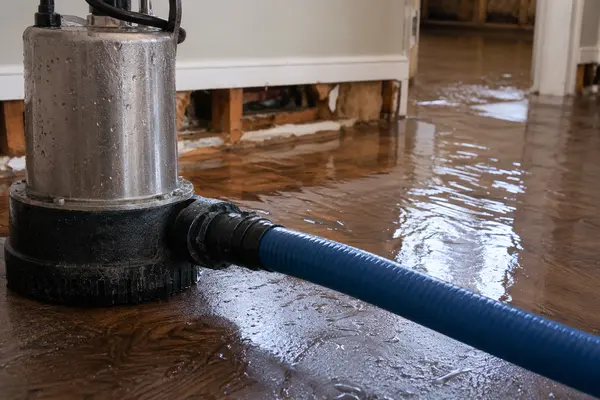
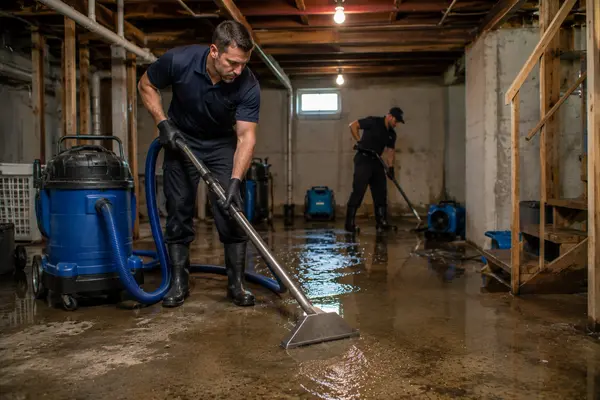
Before hiring a storm cleanup contractor in Austin, ask how they will identify moisture beyond the visible stain. A useful answer should mention moisture meters, thermal imaging where appropriate, inspection of baseboards and wall cavities, and documented readings over time. Ask who will handle water extraction, drying equipment, demolition, and repairs. The contractor should also explain which materials can be dried safely and which, such as soaked insulation or crumbling drywall, may need removal.
Read the written estimate for the actual affected areas, not just a broad phrase such as “water cleanup.” It should describe the rooms, carpet or flooring components, equipment, anticipated monitoring visits, disposal, cleaning, and repair boundaries. Before work begins, a good contractor explains what will be noisy, what furniture must move, how electrical hazards are handled, and what findings could change the scope after walls or flooring are opened.
NT WATER DAMAGE AUSTIN
9430 Research Blvd, Austin, TX 78759
(512) 900-6973
Hours of Operation
Open 24 Hours