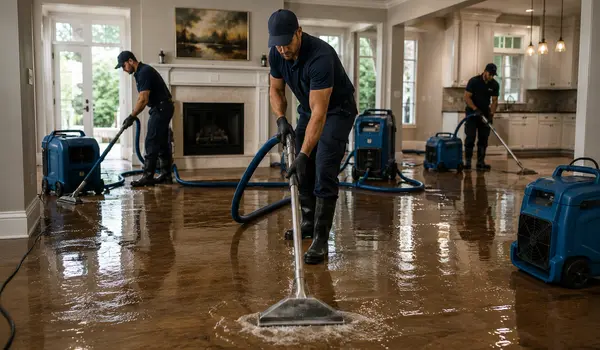
It is easy to assume the problem is over once standing water is gone and the carpet feels dry underfoot. That makes sense, but moisture can remain in pad, drywall, baseboards, and subflooring for days. NT Water Damage Austin sees the results later: musty smells, bubbling paint, staining, warped flooring, and visible mould. Surface drying alone can leave the materials underneath wet enough to deteriorate. Learn more about our Austin nt water damages.
Structural Drying is about bringing the whole affected assembly back to an acceptable moisture level, not simply drying what can be seen. A moisture meter can show water behind a wall or beneath vinyl flooring even where no stain appears. Controlled airflow and dehumidification remove that trapped moisture before carpet backing separates, wood cups, or damp drywall becomes a mould-supporting material.
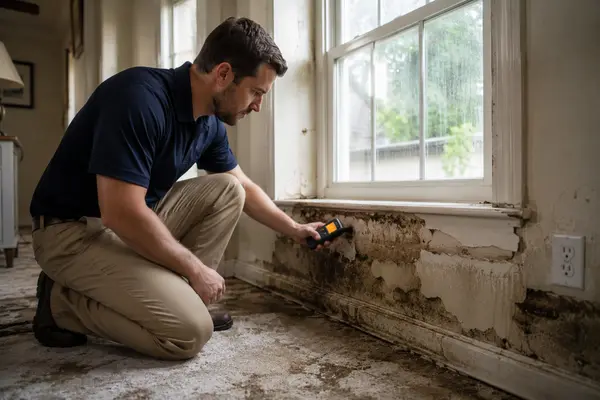
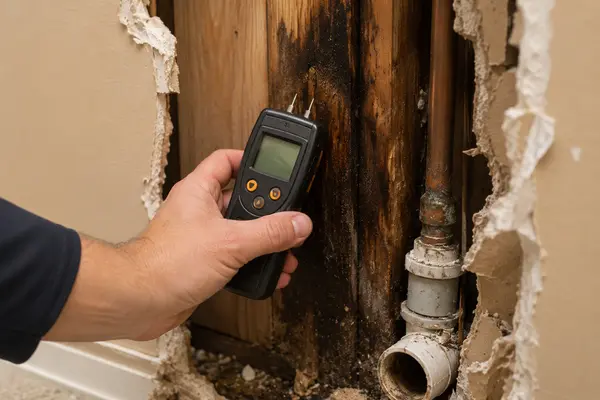
Before the visit, take clear photos of the water line, wet carpet, damaged furniture, bubbling paint, and any staining. Note the suspected source, the time water was first noticed, rooms affected, and whether the leak has been stopped. Move dry valuables, electronics, paperwork, and lightweight furniture from the area if it is safe. Keep damaged materials available for documentation rather than discarding them immediately. Learn more about our expert Wet Carpet Drying services.
Clear a path to the affected room, electrical panel, and exterior doors so extraction hoses and drying equipment can be placed safely. If possible, arrange access for pets and children away from cords, air movers, and damp flooring. Wet Carpet Drying should not involve repeatedly lifting carpet, drilling random holes, painting over stains, or using household fans on contaminated water; those actions can spread moisture or make contamination harder to contain.
After Structural Drying is complete, a room should gradually feel normal again: carpet should not feel cool or damp, odours should fade, and indoor humidity should remain steady. Minor changes in paint sheen or a light pre-existing stain may remain, but new bubbling paint, fresh staining, warped flooring, or a returning musty smell deserves attention. Visible mould is never a normal part of the drying process. Learn more about our expert Crawl Space Water Removal services.
Check the affected area over the next several days and again after a week, especially along baseboards, under sinks, and at carpet edges. Keep gutters, drain lines, and plumbing leaks addressed so water does not re-enter the same wall cavity or subfloor. Crawl Space Water Removal may also be needed if damp soil or insulation below the home keeps feeding humidity upward into flooring and framing.
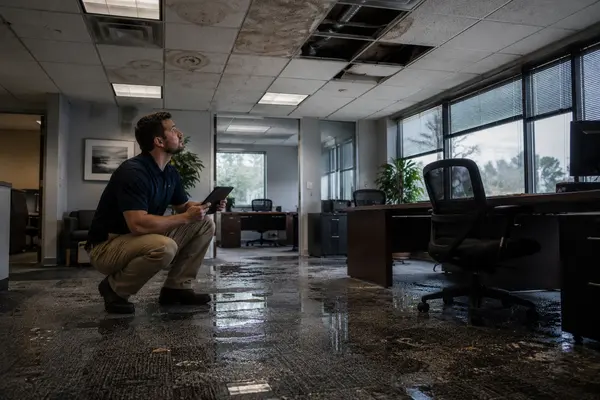
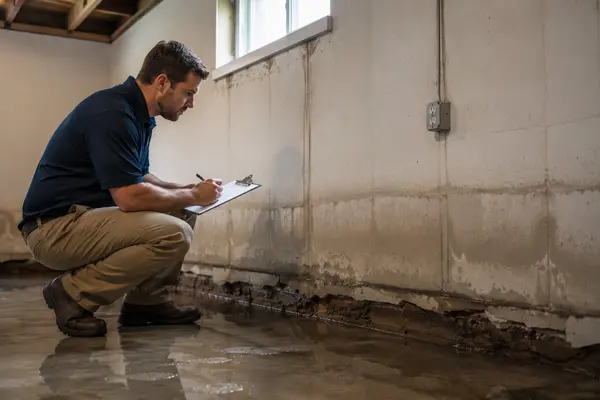
The visit starts with identifying the source and assessing the affected materials. Technicians perform water extraction from carpet, pad, flooring, or other reachable surfaces, then use moisture meters for moisture mapping across drywall, wood framing, subfloor, and adjacent rooms. This matters because water often travels beneath flooring or inside wall cavities farther than the visible stain. Wet materials and dry materials are documented so the drying plan targets the actual spread.
Next, containment may be installed around affected areas to limit dust and airborne particles, with HEPA filtration used where conditions call for it. Air movers direct evaporation from wet surfaces while dehumidifiers remove that water vapour from the air; running either tool alone is less effective. Antimicrobial treatment and sanitising are used where appropriate, followed by controlled drying and repeated monitoring until moisture readings show the structure has dried to an appropriate level.
NT WATER DAMAGE AUSTIN
9430 Research Blvd, Austin, TX 78759
(512) 900-6973
Hours of Operation
Open 24 Hours