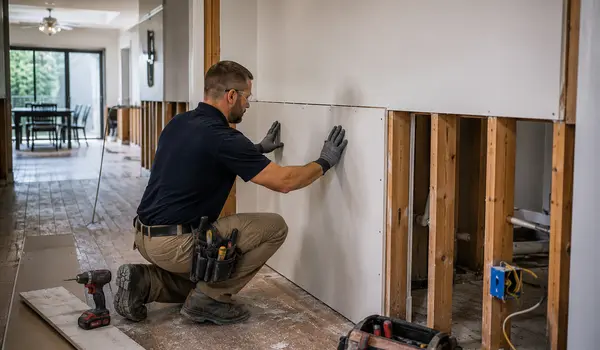
A burst pipe leaves you deciding between removing surface water yourself, calling a plumber for the pipe repair alone, or arranging full drying and cleanup through NT Water Damage Austin. Towels, a wet vacuum, and open windows may reduce a small puddle quickly, but they do not show moisture behind baseboards or under vinyl. A moisture meter and dehumidifiers add disruption, noise, and equipment in the room, while helping confirm the structure is actually drying. You can also see everything we do.
The main difference is how far the water travelled and how long materials stayed wet. If water reached only tile near a supply line, extraction and ventilation may be relatively contained. Water beneath carpet, drywall, insulation, or engineered flooring can require lifting materials or running air movers for several days. That work interrupts normal use of a room, but it addresses trapped moisture that can later lead to staining, swelling, or odour.
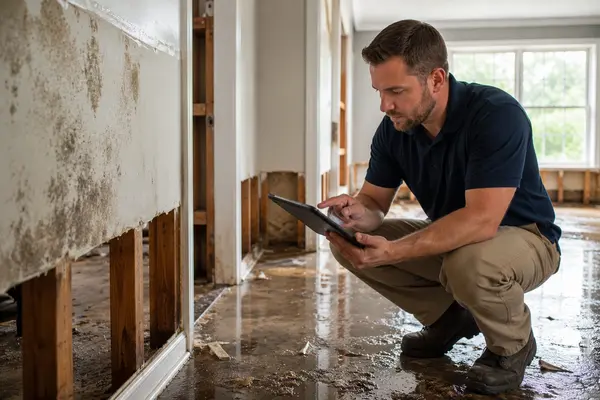
In the first few days, a room may feel less humid and the carpet should become dry rather than merely cool at the surface. Minor changes in paint sheen or a faint drying-material smell can occur after equipment is removed. Musty smells, wet carpet, bubbling paint, warped flooring, fresh staining, or visible mould are not ordinary settling signs. Those symptoms can mean moisture remained in padding, drywall, or a floor cavity and should be checked. Learn more about our expert Toilet Overflow Cleanup services.
Routine attention helps preserve the result: inspect the repaired pipe connection, look beneath sinks and along baseboards, and keep the affected room ventilated during humid Austin weather. Check the area weekly for several weeks, especially after using nearby fixtures. If a later toilet overflow cleanup or plumbing leak occurs nearby, mention the previous water path, because water can re-enter the same subfloor or wall section before symptoms become obvious.
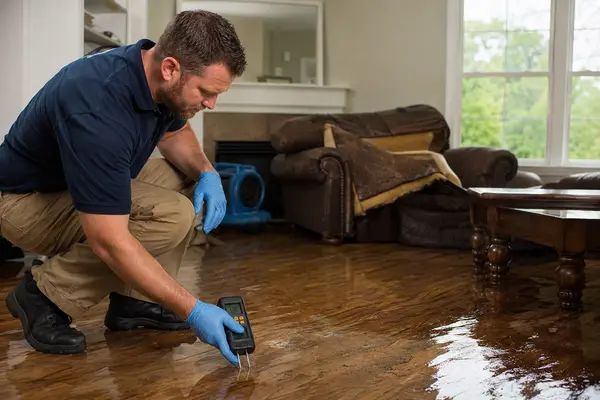
The visit usually begins with locating the burst pipe area, stopping or isolating the water source, and documenting which rooms, materials, and contents were affected. Water extraction removes standing water from carpet, pad, tile edges, and hard surfaces. Moisture mapping with moisture meters checks drywall, baseboards, cabinets, and flooring beyond the visible water line. This matters because water often wicks upward into gypsum board or sideways beneath laminate. Learn more about our expert Sewage Cleanup services.
After extraction, containment may be set up to separate the affected area from dry rooms. Air movers push moisture from damp materials into the air, while dehumidifiers collect that moisture and lower indoor humidity. HEPA filtration may be used where dust, demolition debris, or contamination is a concern. Sanitising and antimicrobial treatment are considered based on the water source; sewage cleanup requires more protective handling than a clean supply-line break. Moisture readings are monitored until materials reach appropriate drying levels.
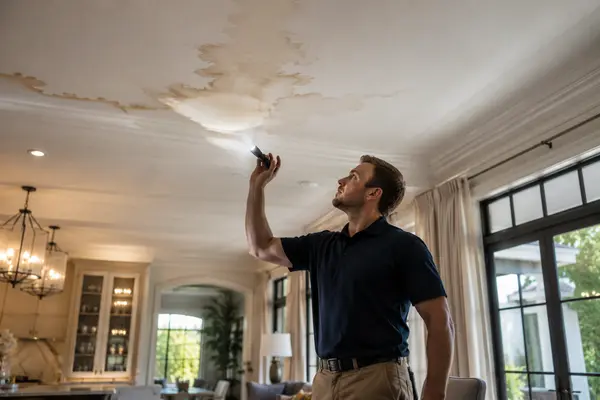
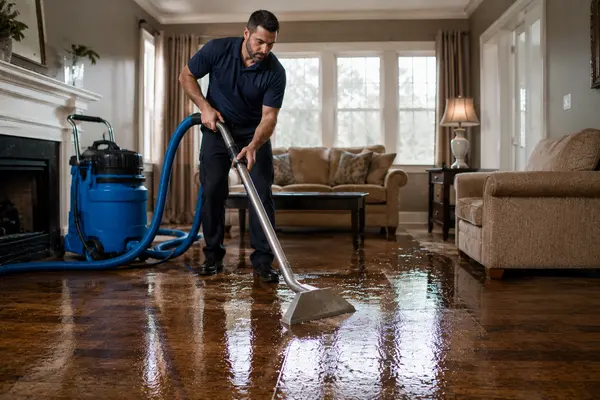
A small split in an exposed copper line can be very different from a pipe break inside a wall. The scope changes with the water source, the number of rooms reached, and the materials involved. Tile over concrete often dries differently than carpet over a wood subfloor, while cabinet toe-kicks and insulation can hold water out of sight. Previous attempts with fans or a shop vacuum may help surface conditions but can leave the pad or wall cavity damp.
Inspection can also reveal conditions that were not visible on day one, such as swollen MDF trim, detached vinyl planks, softened drywall, or staining behind a refrigerator line. Removing wet pad or opening a small section of wall creates more short-term disruption, yet it can allow controlled drying instead of sealing moisture behind finishes. Some contained areas dry in roughly two to five days; thicker assemblies, multiple rooms, or delayed discovery can extend monitoring and repairs.
NT WATER DAMAGE AUSTIN
9430 Research Blvd, Austin, TX 78759
(512) 900-6973
Hours of Operation
Open 24 Hours