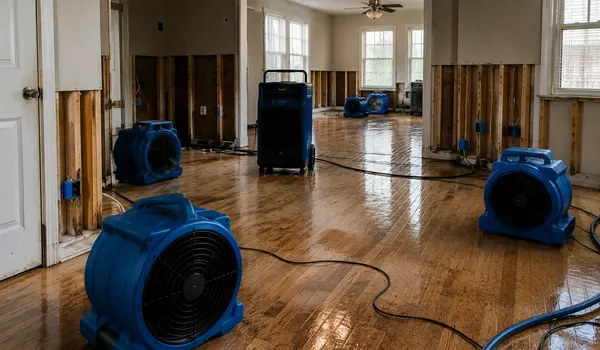
A soaked carpet, warped flooring, bubbling paint, or a damp stain spreading across the ceiling can make a home feel urgent very quickly. NT Water Damage Austin helps remove water before it has more time to travel through padding, drywall, baseboards, and subfloors. Standing water, active leaks, sewage backups, and water near electrical outlets cannot wait; shut off the source if safe and get help immediately.
A small glass of water on sealed tile can wait until you can mop it up, but a musty smell after a leak should not be ignored. That odor can mean moisture remains in carpet backing, wall cavities, or wood framing even after the surface looks dry. Visible mould, soft drywall, staining, and lifting laminate are signs that extraction and drying may be needed before material damage grows.
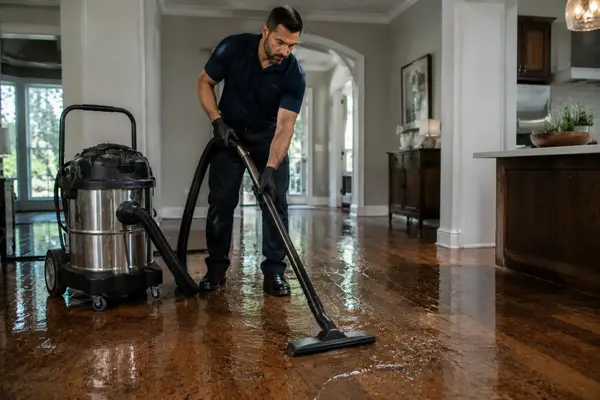
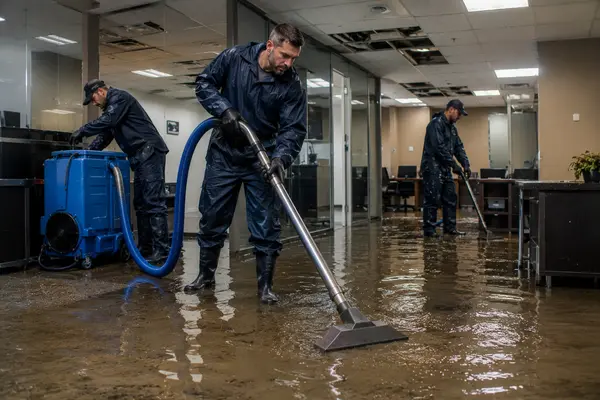
The visit begins by identifying the water source and checking affected rooms with moisture meters. Technicians inspect carpet, padding, drywall, baseboards, cabinets, and flooring to map where water has traveled. Water extraction removes standing water from floors and saturated carpet using pumps or extraction equipment. For flood damage cleanup, the goal is not simply to make the room look dry; it is to remove moisture that can remain below the visible surface.
After extraction, controlled drying begins with air movers and dehumidifiers placed around the wet materials. Containment may be used to keep humid air, dust, or affected debris from moving into clean rooms, while HEPA filtration helps capture airborne particles. Antimicrobial treatment may be applied where appropriate after cleaning and sanitising. Moisture readings are monitored over several days, because drywall and wood can release hidden water slowly.
The amount of water is only part of the picture. A clean supply-line leak caught within an hour may affect one section of vinyl flooring, while water sitting overnight can soak carpet padding, insulation, drywall, and the subfloor beneath it. Previous mopping, fans, or shop-vac work can reduce surface water, but they do not always reach the carpet backing or wall cavity where moisture remains. Learn more about our expert Burst Pipe Cleanup services.
A burst pipe cleanup can change once cabinets, toe-kicks, laminate planks, or baseboards are inspected closely. Water may have traveled under a kitchen floor or behind a bathroom vanity before becoming visible. Drying in place can save materials when moisture levels are manageable, while removal may be safer if padding, swollen particleboard, or mould growth cannot be cleaned thoroughly. A small room may dry in two to four days; layered materials can take longer.
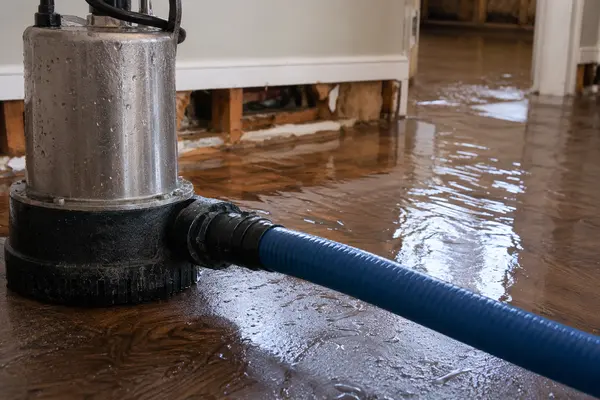
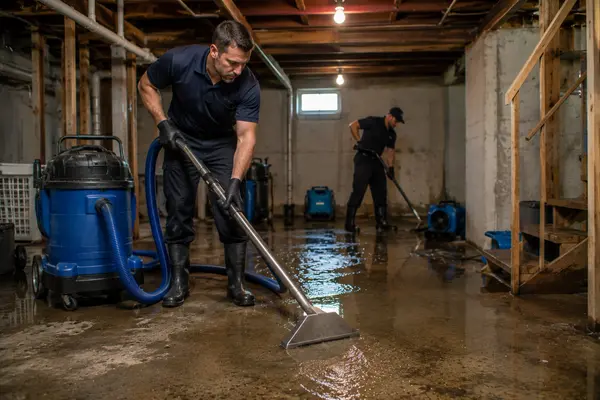
Water extraction costs move with the affected area, access, and materials holding moisture. A single wet bathroom floor generally requires less equipment and monitoring than water spread through several rooms, carpet padding, drywall, and wood flooring. Stairs, tight crawlspaces, built-in cabinets, and heavy furniture add labor because equipment and wet materials are harder to reach. Drying a contained area can take roughly two to five days, while hidden moisture can extend monitoring.
A written estimate should separate extraction, moisture inspection, drying equipment, monitoring visits, sanitising, containment, and any removal or reconstruction work. Compare the scope as well as the total: a job involving saturated carpet and pad can require two to four times more drying capacity than a damp tile floor. The estimate should also explain what may change after moisture readings, wall checks, or flooring removal reveal water beyond the initial stain.
NT WATER DAMAGE AUSTIN
9430 Research Blvd, Austin, TX 78759
(512) 900-6973
Hours of Operation
Open 24 Hours