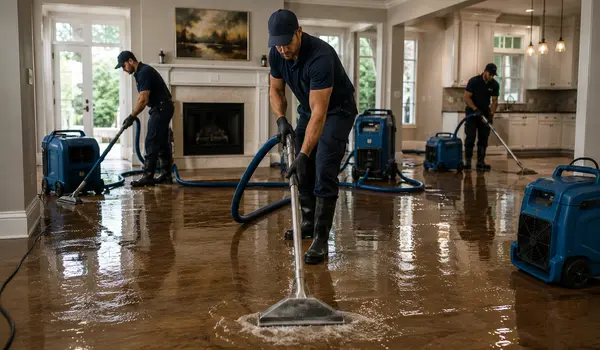
Many homeowners reasonably assume that once standing water is gone, Flood Damage Cleanup can wait because the floor feels dry and the room is usable again. NT Water Damage Austin understands why that seems sensible, but wet carpet and carpet pad can hold moisture below the surface, while damp drywall may create musty smells several days later. Early extraction and moisture readings can prevent a manageable problem from becoming a larger tear-out. Learn more about our nt water damage in Austin.
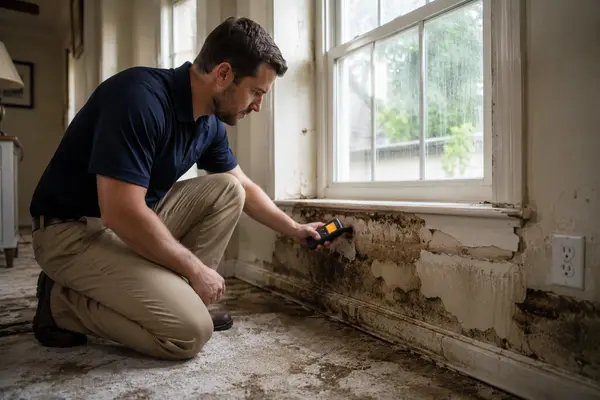
The costly part is not always the water you can see. Bubbling paint, warped flooring, staining along baseboards, or visible mould can mean moisture moved into materials or remained there long enough to affect finishes. The real goal is to trace the water path, remove damaged porous material where necessary, and verify drying with moisture meters—not simply shampoo the carpet or cover the odor with deodorizer.
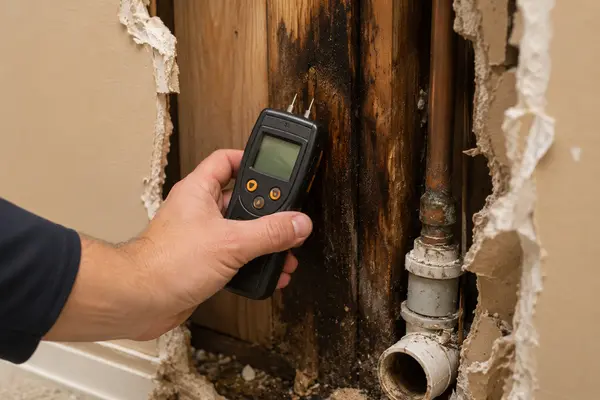
Most flood damage cleanup jobs take roughly three to seven days for extraction and drying, although a soaked subfloor, several affected rooms, or contaminated water can extend the process to one or two weeks before repairs begin. During burst pipe cleanup, you may hear air movers and dehumidifiers operating continuously, see hoses and power cords across the room, and need to avoid affected carpet, drywall, or furniture while materials are assessed.
Delays usually come from water that traveled behind cabinets, below vinyl plank, or inside wall cavities, not from workers standing idle. After extraction, technicians take moisture readings at drywall, baseboards, and subflooring every day or two. The equipment may appear to be doing little, but it is pulling water vapor from framing and flooring. Opening a cabinet toe-kick or a small inspection area may also reveal moisture that was hidden on the first visit.
Austin homeowners should ask where the water came from, which materials will be tested, and how the contractor will distinguish clean water from a drain or toilet release. For toilet overflow cleanup, that distinction matters because carpet pad, insulation, and porous contents may need different handling than a supply-line leak. Ask who will monitor moisture, how often readings are recorded, and who will move furniture, protect unaffected rooms, and communicate with your insurance carrier.
Request a written estimate that identifies the affected rooms, extraction work, equipment, material removal, cleaning, monitoring visits, and any repairs that are not included. A good contractor explains the likely drying plan before equipment is placed, including why carpet may need lifting or why a section of drywall may need opening. They should also explain how changes will be documented if moisture readings uncover damage behind a wall or beneath flooring.
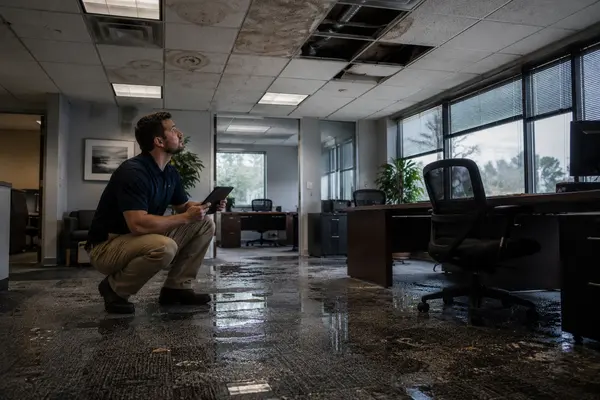
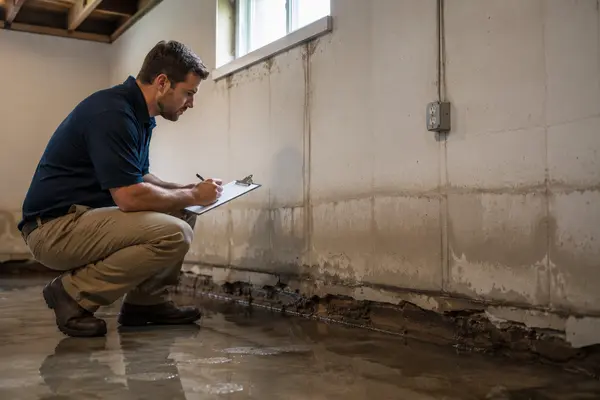
Take wide and close photos of the room, the water line on drywall, damaged furniture, and any visible staining before moving items. Write down when you first noticed the water, where it started, how long it may have been flowing, and whether a toilet, appliance hose, roof leak, or pipe was involved. Gather your insurance policy information, then clear a path to the affected room and move dry valuables, documents, and electronics to a separate area if it is safe.
Do not use a household vacuum on standing water, run a ceiling fan beneath a sagging ceiling, or plug in appliances near wet carpet and outlets. Avoid peeling back carpet, drilling holes in walls, or throwing away damaged materials before they are photographed, since those actions can hide the water path and complicate documentation. Do not use bleach on visible mould or heavily soak walls with cleaners; extra liquid can drive moisture deeper into drywall and framing.
NT WATER DAMAGE AUSTIN
9430 Research Blvd, Austin, TX 78759
(512) 900-6973
Hours of Operation
Open 24 Hours