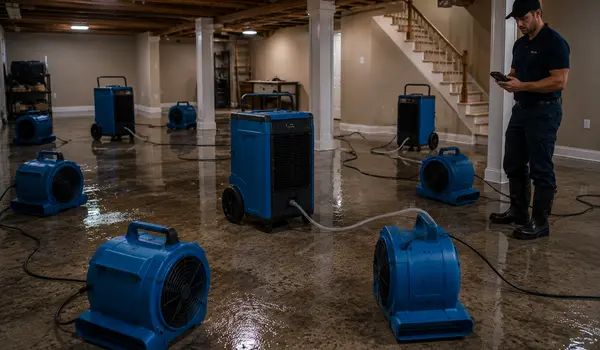
Crawl Space Water Removal is the right step if water is standing beneath the house, insulation is soaked, or dampness keeps returning after rain or a plumbing leak. NT Water Damage Austin sees these conditions alongside wet carpet above the crawl space, musty smells from floor vents, bubbling paint, warped flooring, staining, and visible mould. Those signs can mean moisture has moved beyond one surface and is affecting framing, subflooring, or air quality indoors. You can also learn more about us.
It may not be the service you need if a small spill stayed on tile, a condensate line dripped briefly onto concrete, or the problem is limited to one dryable rug with no odour beneath it. A plumber, gutter repair, or simple dehumidification may solve the source first. Crawl-space removal becomes important when the soil, vapor barrier, joists, ductwork, or insulation remain wet, because concealed moisture can continue feeding mould and wood damage.
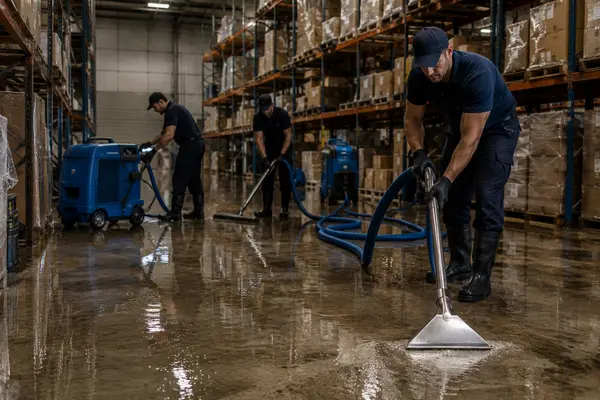
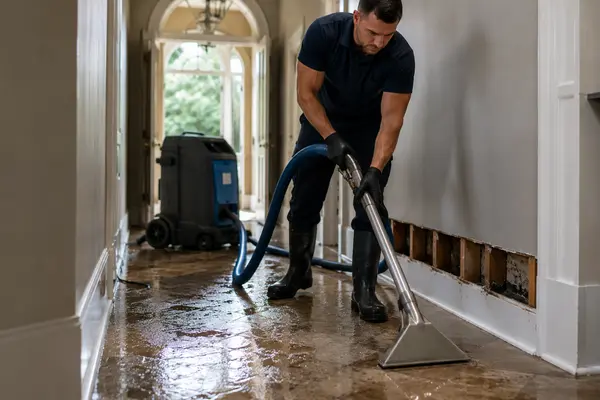
Ask what they will inspect before placing pumps or air movers: the plumbing lines, foundation vents, vapor barrier, insulation, subfloor, and likely water source should all be considered. A contractor should explain how they will measure moisture in wood and flooring, where extracted water will go, and how they will decide that drying is complete. If warped boards are involved, ask how crawl-space drying relates to Hardwood Floor Water Repair upstairs.
Request a written estimate that separates extraction, demolition if needed, drying equipment, cleaning, mould-related work, and repairs to insulation or vapor barrier. It should also identify access limitations, such as a tight hatch or low joists, because those conditions affect the scope. Before work begins, a clear explanation should cover what materials may need removal, what can be dried in place, and what documentation you should keep for an insurance claim.
Take dated photos of the crawl-space entrance, wet carpet, stains, bubbling paint, visible mould, and any puddle near a pipe or foundation wall. Write down when you first noticed the odour or leak, whether rain occurred, and which rooms feel damp. Gather plumbing invoices, insurance information, and photos from before the damage if available. These details help connect the moisture pattern to a failed supply line, drainage issue, or groundwater entry point. Contact Us for a free, no-obligation quote.
Clear furniture, storage boxes, pet items, and loose rugs from affected rooms so technicians can inspect flooring and reach vents. Keep children and pets away from the access hatch, and contact your utility or plumber promptly if water is still flowing from a broken line. Do not enter a flooded crawl space, pull down wet insulation, spray bleach on visible mould, or run household fans into a closed cavity; each can spread contamination or hide moisture behind walls.
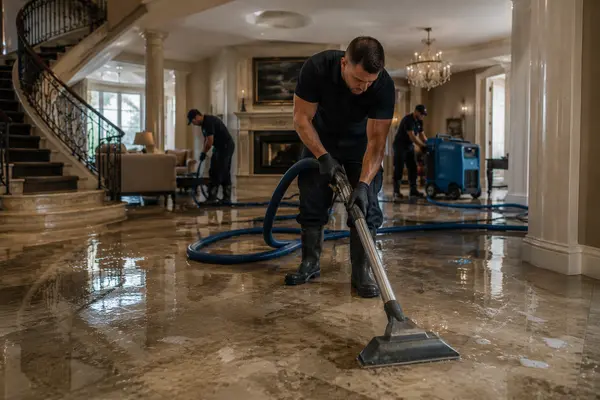
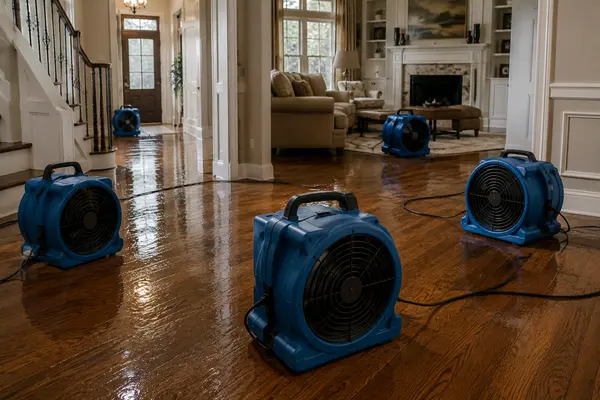
In the first several days, the crawl space and nearby rooms should gradually lose the damp, musty smell as wet soil, insulation, and framing dry. Equipment may run for a period determined by moisture readings, and a temporary increase in airflow or fan noise is normal. Carpet padding may feel different if it was removed, while drying wood can shift slightly. The important measure is declining moisture in joists, subfloor panels, and other affected materials.
Get back in touch if wet carpet returns, musty smells persist, bubbling paint expands, warped flooring worsens, staining spreads, or visible mould appears after drying. Those symptoms can indicate an unresolved leak, rainwater intrusion, or moisture trapped behind a baseboard or beneath flooring. Keep gutters clear, extend downspouts away from the foundation, check plumbing joints periodically, and inspect the vapor barrier after heavy rain. Routine attention limits the conditions that let crawl-space dampness return.
NT WATER DAMAGE AUSTIN
9430 Research Blvd, Austin, TX 78759
(512) 900-6973
Hours of Operation
Open 24 Hours